08/06/2026
How to Get a Construction Job in the UK Without Experience
The UK construction industry continues to offer thousands of opportunities for people looking to start a new career. One of the biggest misconceptions is that you need years of experience to secure a role. In reality, many employers actively recruit candidates for entry-level positions, making construction jobs UK a great option for those entering the workforce or changing careers.
Whether you're a school leaver, career changer, or someone seeking stable employment, the construction sector provides multiple pathways into rewarding and well-paid careers.
Why Choose a Career in Construction?
Construction is one of the UK's most important industries, supporting infrastructure development, housing projects, commercial buildings, and renewable energy initiatives. The sector offers diverse roles ranging from general labouring to specialist trades and management positions.
Some key benefits include:
- Strong demand for workers
- Competitive salaries
- Career progression opportunities
- Apprenticeship programs
- Practical, hands-on work
- Opportunities to learn valuable skills
Many professionals who start as labourers eventually progress into supervisory or management roles.
Can You Get Construction Jobs UK Without Experience?
Yes, absolutely.
Many entry-level positions are designed specifically for people with little or no prior experience. Employers often value reliability, willingness to learn, physical fitness, and a positive attitude more than previous industry knowledge.
Common beginner roles include:
- Construction Labourer
- Site Operative
- General Construction Worker
- Trainee Tradesperson
- Construction Apprentice
- Groundworker Assistant
- Site Cleaner
- Materials Handler
These positions provide valuable exposure to construction environments while helping workers develop practical skills.
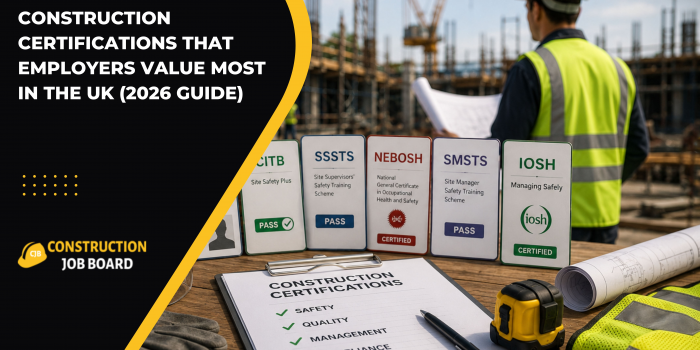
Understanding the CSCS Card
One of the most important requirements for many construction jobs UK is obtaining a CSCS (Construction Skills Certification Scheme) card.
The CSCS card demonstrates that workers understand basic health and safety requirements for construction sites.
Steps to Obtain a CSCS Card
- Complete the Health, Safety and Environment Test.
- Apply for the appropriate CSCS card.
- Provide proof of qualifications if required.
- Receive your card and begin applying for site-based jobs.
Having a CSCS card can significantly improve your employment prospects and is often a minimum requirement for many employers.
Explore Construction Apprenticeships
Apprenticeships are one of the best routes into the industry.
They combine practical work experience with formal training and often lead to permanent employment.
Popular construction apprenticeships include:
Bricklaying Apprenticeships
Learn wall construction, structural work, and building techniques while earning a wage.
Carpentry Apprenticeships
Develop woodworking skills for residential and commercial projects.
Electrical Apprenticeships
Gain technical knowledge and practical experience in electrical installation.
Plumbing Apprenticeships
Learn water systems, heating installations, and maintenance procedures.
Groundworks Apprenticeships
Focus on site preparation, foundations, drainage, and infrastructure projects.
Apprentices earn while they learn, making them highly attractive to new entrants.
Build Transferable Skills
Even if you have never worked in construction before, you may already possess valuable transferable skills.
Employers often value:
Teamwork
Construction projects require close collaboration among workers.
Time Management
Meeting deadlines is essential for successful project completion.
Communication
Clear communication improves safety and productivity.
Problem Solving
Construction environments frequently present unexpected challenges.
Reliability
Employers consistently seek dependable workers who arrive on time and maintain strong attendance records.
Highlighting these skills on your CV can strengthen your applications.
Create a Strong Construction CV
Your CV should demonstrate enthusiasm and suitability for the role, even if you lack direct experience.
Include:
Personal Statement
Briefly explain your interest in construction and career goals.
Skills Section
Focus on transferable skills relevant to construction.
Qualifications
List educational achievements and relevant certifications.
Work Experience
Include previous jobs that demonstrate responsibility, teamwork, or physical work.
CSCS Certification
Prominently mention your CSCS card if obtained.
A well-structured CV can help employers identify your potential quickly.
Where to Find Construction Jobs UK
There are several effective ways to find entry-level construction opportunities.
Construction Job Boards
Specialist construction job boards regularly advertise:
- Labourer jobs
- Apprentice positions
- Site operative roles
- Groundworker vacancies
- Trainee construction opportunities
Recruitment Agencies
Many agencies specialise in construction recruitment and frequently recruit workers for temporary and permanent roles.
Direct Employer Applications
Large construction companies often advertise vacancies directly on their websites.
Networking
Speaking with local contractors, builders, and industry contacts can uncover opportunities not publicly advertised.
Focus on High-Demand Construction Roles
Certain roles consistently experience strong demand across the UK.
Labourers
Labourers support site operations and often require minimal experience.
Groundworkers
Groundworkers assist with foundations, drainage, and site preparation.
Traffic Marshals
Responsible for vehicle movement and site safety.
Skilled Trades Apprentices
Trades such as plumbing, carpentry, and electrical work offer excellent long-term prospects.
Plant Operative Assistants
Support machinery operations and site logistics.
These positions provide excellent starting points for career growth.
Develop Additional Certifications
Beyond the CSCS card, additional certifications can improve employability.
Examples include:
- Manual Handling
- Working at Height
- First Aid at Work
- Abrasive Wheels Training
- Traffic Marshal Certification
These qualifications demonstrate commitment and enhance workplace readiness.
Career Progression Opportunities
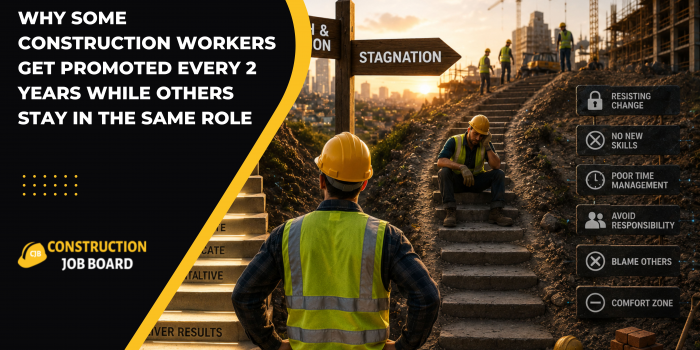
One of the greatest advantages of construction careers is the clear progression pathway.
A typical progression route may look like:
Labourer → Skilled Worker → Supervisor → Site Manager → Project Manager
With experience and training, workers can significantly increase their earning potential.
Many employers actively support staff development through training programs and professional qualifications.
Common Mistakes to Avoid
When applying for construction jobs UK, avoid these common mistakes:
- Applying without a CSCS card when required
- Submitting generic CVs
- Ignoring apprenticeship opportunities
- Failing to highlight transferable skills
- Not researching employers
- Applying only for experienced roles
Taking a strategic approach can dramatically improve your chances of success.
Final Thoughts
Breaking into the construction industry without experience is entirely achievable. The UK construction sector continues to require motivated workers across a wide range of roles. By obtaining a CSCS card, developing transferable skills, exploring apprenticeships, and creating a strong CV, you can position yourself for success.
Whether your goal is becoming a labourer, electrician, plumber, carpenter, or site manager, there are numerous opportunities available. With determination, training, and the right approach, construction jobs UK can provide a rewarding and long-term career path.
FAQs
1. Can I get a construction job without experience?
Yes. Many labourer, apprentice, and trainee roles are designed for individuals with little or no previous construction experience.
2. Do I need a CSCS card for construction jobs?
Many employers require a CSCS card as proof of health and safety awareness before allowing workers onto construction sites.
3. What is the best entry-level construction job?
Labourer positions are among the most common entry-level roles and provide valuable industry experience.
4. Are construction apprenticeships paid?
Yes. Apprentices earn a salary while receiving practical training and industry qualifications.
5. Is construction a good long-term career?
Yes. Construction offers strong demand, career progression opportunities, competitive salaries, and diverse specialisations.